

Independent living offers freedom. Structured living offers consistency.
At first, independent living often feels like the obvious next step after treatment. More freedom, more control, and the ability to return to normal life can feel like progress. For many men, it also feels like proof that things are finally back on track.
But recovery does not always become easier just because life becomes more independent.
The reality is that environment matters more than most men expect. Two people can put in the same effort and still experience completely different outcomes depending on what exists around them day to day.
That is the real difference between structured sober living vs independent living. It is not about who is more motivated. It is about which environment makes consistency easier to maintain over time.
At a basic level, the difference usually comes down to this:
- Independent living = more freedom
- Structured living = more consistency
Neither option is automatically better. The better choice depends on what actually helps progress hold.
What Independent Living Looks Like After Rehab?

Independent living often feels appealing because it offers flexibility and control. After treatment, many men want to get back to normal routines, return to work, manage responsibilities, and rebuild life on their own terms.
In independent living, recovery becomes largely self-managed. There are fewer external expectations, fewer daily check-ins, and more personal freedom in how routines are built.
Independent living often includes:
- More personal freedom and flexibility
- Greater privacy
- Fewer external rules or expectations
- Self-managed routines and accountability
- More responsibility for staying consistent independently
For some men, this works well.
If routines are already strong, accountability exists outside the environment, and consistency has been stable for a long time, independent living may feel manageable.
The challenge is that freedom also means fewer systems supporting recovery.
When difficult weeks happen, stress increases, or motivation drops, there is often less reinforcement built into daily life. Recovery becomes something you have to maintain on your own every day.
That does not automatically make independent living a bad option. It simply means it tends to work best when structure already exists internally or through outside support.
How Structured Living Creates More Consistency?
Independent living often feels appealing because it offers flexibility and control. After treatment, many men want to get back to normal routines, return to work, manage responsibilities, and rebuild life on their own terms.
In independent living, recovery becomes largely self-managed. There are fewer external expectations, fewer daily check-ins, and more personal freedom in how routines are built.
Independent living often includes:
- Clear routines and expectations
- Built-in accountability
- More consistency day to day
- Reduced exposure to distractions or triggers
- Greater reinforcement around healthy habits
This is one reason many men experience more stability in structured sober living environments.
Instead of constantly deciding what recovery should look like each day, systems already exist to support progress. The goal is not control. The goal is consistency.
For many men, this becomes especially important after treatment when motivation naturally starts changing.
Structure reduces the amount of mental energy required to stay on track.
Instead of constantly managing recovery alone, the environment begins carrying part of the load.
Structured Living vs Independent Living: What Actually Changes Day to Day
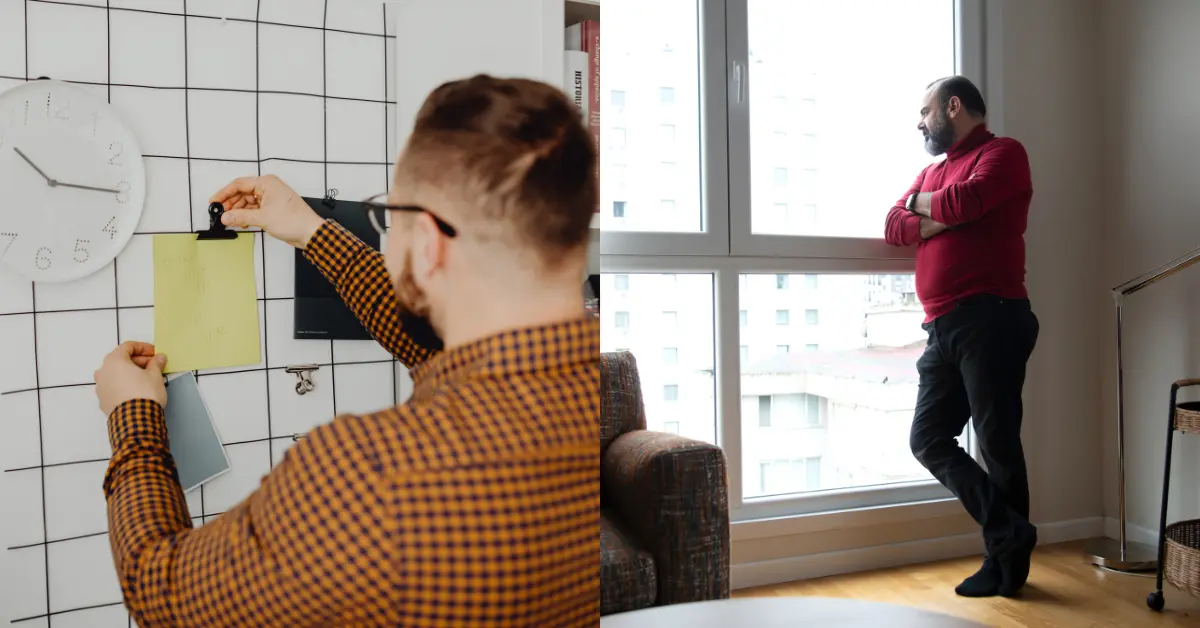
The biggest difference between structured vs independent recovery becomes easier to understand when you look at daily life.
On paper, both environments may sound similar. In reality, they often feel very different.
| Independent Living Often Feels Like | Structured Living Often Feels Like |
|---|---|
| Managing recovery mostly on your own | Following routines that already exist |
| Making daily decisions without much reinforcement | Having clearer expectations around behaviour |
| Greater flexibility but fewer guardrails | More accountability day to day |
| More freedom alongside more responsibility | Greater consistency during stressful periods |
| Relying heavily on personal motivation | Less pressure to manage everything alone |
Neither experience is automatically right or wrong.
The question is simply: Which environment supports consistency best for your situation?
For some men, total independence feels empowering. For others, too much freedom too soon quietly creates instability.
That difference matters because recovery rarely breaks down overnight. It usually slips through small inconsistencies repeated over time.
Why Independent Living Starts Breaking Down for Some Men?
Independent living usually does not become difficult all at once.
For many men, the challenge builds gradually.
At first, things feel manageable. Motivation is high, routines seem stable, and staying consistent feels realistic. But over time, life becomes busier. Stress increases. Recovery slowly competes with work, relationships, responsibilities, and everyday pressure.
Without enough reinforcement, small changes start happening.
You skip routines occasionally. Accountability becomes easier to avoid. Decisions feel harder after stressful days.
Over time, this can create:
- Less consistency in routines
- Increased reliance on willpower
- More decision fatigue
- Greater exposure to stress without support
- Small setbacks becoming larger patterns
This is often where sober living vs living alone becomes an important comparison.
The issue is not always effort.
More often, it is what happens when recovery becomes fully self-managed without enough systems around it.
If that pattern sounds familiar, it helps to understand why most men fall off without structure and why consistency often becomes harder when support fades.
When Structured Living Usually Makes More Sense?

Structured living tends to make more sense when consistency has already been difficult to maintain.
This is especially true for men who have tried staying sober independently but continue slipping back into the same patterns.
Structured living may make more sense if:
- Routines have been difficult to maintain
- Motivation feels inconsistent
- Progress has repeatedly started slipping
- Stress affects recovery more than expected
- Accountability feels difficult to maintain independently
For many men, the biggest benefit is not dramatic change. It is stability.
Instead of constantly trying to rebuild momentum, routines become easier to repeat. Expectations stay clear, and recovery feels less dependent on daily motivation.
Peer accountability also tends to matter more than people expect.
When progress stays visible and expectations exist, consistency often becomes easier to maintain. If you want to understand why this matters, it helps to explore how peer support keeps men consistent after rehab.
How to Choose the Environment That Actually Supports Consistency?
The real decision is not about which option sounds better on paper.
It is about choosing the environment most likely to hold when motivation changes, stress increases, or life becomes difficult again.
Ask yourself:
- Have I stayed consistent independently before?
- Does freedom help me stay stable or make things easier to avoid?
- What usually happens when routines become inconsistent?
- Do I benefit from accountability or resist it?
- Am I choosing based on comfort or long-term outcomes?
Being honest here matters.
Independent living feels appealing because it offers freedom. Structured living sometimes feels harder because it adds accountability.
But comfort and consistency are not always the same thing.
If motivation has started feeling harder to rely on lately, it may help to understand when motivation stops working for men and why recovery becoming harder does not always mean effort disappears.
The Better Environment Is the One That Actually Holds

The difference between structured sober living vs independent living is not about discipline, intelligence, or who wants recovery more.
It is about environment.
Some men stay consistent with complete independence. Others do better when accountability, routine, and structure exist around them.
The right choice is the one that realistically supports progress over time, not just the one that feels easier in the moment.
Build Recovery Around Consistency
If staying consistent has felt harder than expected, it may not be about effort. It may simply be about environment.
Confidential. No pressure. Just a conversation.