

Getting sober often changes more than a person’s relationship with substances. For many men, it also changes their relationships with friends, social groups, and the people they spend time with most. Some friendships naturally fade, while others begin to look different as priorities shift.
These changes can feel confusing, especially when recovery is moving in the right direction. Many men discover that recovery changes who they spend time with just as much as how they spend their time.
Why Recovery Often Changes More Than Substance Use?
Recovery is often viewed as a change in behavior, but for many men it becomes a much broader life transition. As routines, priorities, and goals begin to shift, relationships may change as well.

Recovery Often Changes Relationships Too
Common changes include:
- Spending less time in drinking or drug-centered environments
- Developing different daily routines
- Prioritizing recovery commitments
- Setting healthier boundaries
- Focusing more on long-term goals
Friendship Changes Are Common
Many friendships are built around shared experiences, habits, and lifestyles. When one person’s lifestyle changes significantly, the relationship may naturally evolve as well. This does not mean anyone did something wrong. It often reflects personal growth and changing circumstances.
Growth Often Creates Change
As recovery progresses, men frequently discover that some relationships continue to support their growth while others naturally become less central to their lives. These shifts can feel uncomfortable, but they are often part of the adjustment process.
For many men, these social changes also create more unstructured time, which is explored further in why some men struggle with free time after getting sober. As old routines and social habits change, recovery often involves building new sources of connection, purpose, and meaning.
Many men discover that recovery changes who they spend time with just as much as how they spend their time.
Is It Normal to Lose Friends After Getting Sober?
Yes. Losing friends after getting sober is a common recovery experience. As priorities, routines, and lifestyle choices change, some relationships naturally change as well.
Recovery growth often creates social transitions that can feel uncomfortable at first. While these changes may bring temporary loneliness, they often create space for healthier relationships, stronger support systems, and a more stable recovery lifestyle.
Why Social Circles Often Change During Recovery?
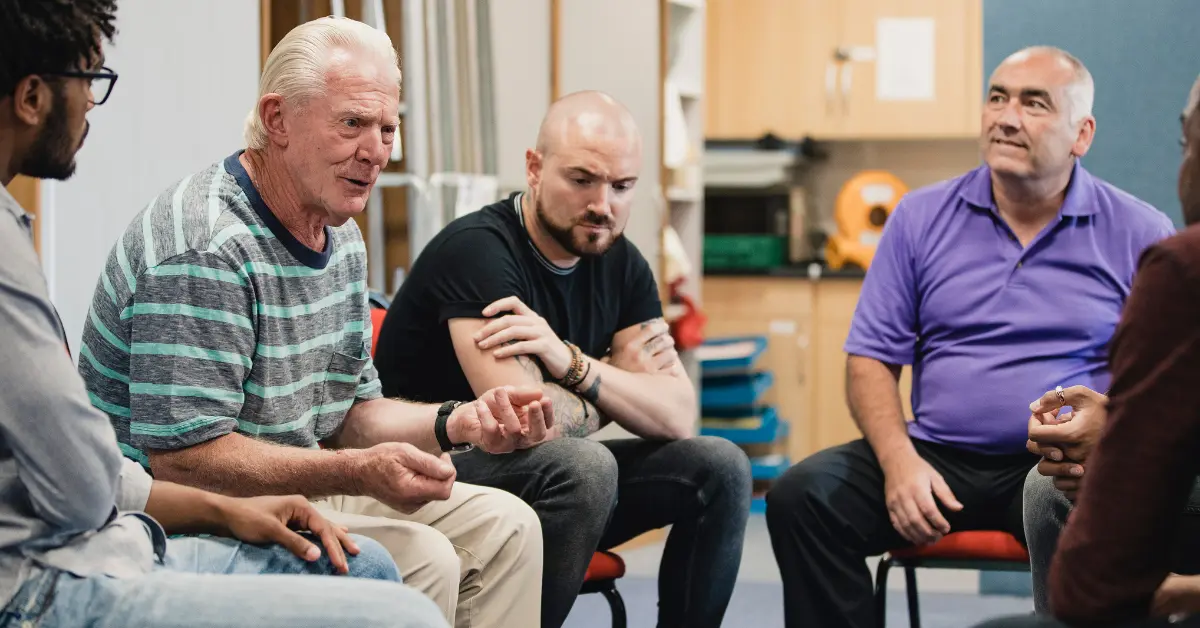
Many men are surprised by how much their social lives change after getting sober. In many cases, these changes are not caused by conflict. They are simply the result of different priorities and lifestyles.
Priorities Often Begin to Shift
Recovery may bring greater focus on:
- Physical and mental well-being
- Family responsibilities
- Personal growth
- Recovery commitments
- Long-term goals
As priorities change, social habits often change as well.
Some Relationships Were Built Around Shared Habits
For some men, friendships developed around activities that involved drinking or substance use. When those activities are no longer part of daily life, the relationship may naturally look different.
This does not mean those friendships were unhealthy or unimportant. It simply means the foundation of the relationship may be changing.
Boundaries Can Change Social Dynamics
Recovery often involves making intentional choices about how time is spent.
This may include:
- Spending time in different environments
- Declining certain invitations
- Following a more structured routine
- Protecting recovery commitments
These changes can affect social dynamics even when there is no disagreement or conflict.
Change Does Not Mean Anyone Was Wrong
One of the most important things to remember is that changing relationships do not automatically mean someone was a bad influence. Often, both people are simply moving in different directions.
Why Loneliness Can Show Up Even When Recovery Is Going Well?
Many men expect recovery challenges to come from cravings or difficult situations. Instead, some find themselves dealing with loneliness even while making meaningful progress.
Progress and Loneliness Can Exist Together
Recovery can improve many areas of life while still creating periods of social discomfort. Feeling lonely does not mean recovery is failing. It often means life is changing.
Why Loneliness Often Appears
Loneliness is common during recovery because old friendships may fade, social routines change, and new connections take time to build. At the same time, increased self-awareness and identity rebuilding can leave some men feeling disconnected as they adjust to a different lifestyle.
Temporary Isolation Is Not Failure
Periods of loneliness are often part of adjustment rather than a sign that something is wrong. Similar experiences are explored in why some men feel emotionally numb after getting sober, where recovery can feel unexpectedly difficult even when positive changes are occurring.
Rebuilding Community Takes Time
Some men also discover that loneliness becomes less about being around people and more about feeling understood. Recovery often involves learning the difference between social activity and meaningful connection, which can take time to develop.
What Recovery Often Teaches Men About Real Support?

As social circles change, many men begin to think differently about what support actually means.
Support Looks Different Than Socializing
Not every relationship provides the same type of support. Recovery often helps men recognize the difference between spending time with people and feeling genuinely supported by them.
Healthy Support Often Includes
- Trust
- Consistency
- Accountability
- Honest conversations
- Shared goals
These qualities often become more valuable than simply having a large social circle.
Community Is Usually Built Over Time
Strong support systems rarely appear instantly. Instead, they tend to develop through repeated interactions, shared experiences, and a willingness to show up consistently.
This is one reason why peer support is what keeps some men consistent after rehab remains such an important recovery topic. Meaningful support is often built gradually rather than found immediately.
Why Brotherhood Often Becomes Part of Long-Term Recovery?
Many men discover that recovery becomes easier when they are surrounded by people who understand the challenges they are facing.
Brotherhood Provides More Than Friendship
Brotherhood in recovery often provides much more than companionship. Shared experiences create understanding, while encouragement, accountability, and practical support help men navigate challenges with people who genuinely relate to what they are experiencing. These connections can reduce isolation and foster a stronger sense of belonging.
As explored in brotherhood in sober living, relationships built through shared recovery experiences often provide the consistency and support that many men need as they rebuild their lives.
Recovery Is Easier When People Understand It
For many men, recovery communities do not replace every friendship they have lost. Instead, they provide opportunities to build relationships around shared goals, accountability, and personal growth. Over time, these connections often become an important source of stability as new routines and identities begin to take shape.
Structure and Connection Often Work Together
Many men find that recovery becomes easier to maintain when structure and community work together. Consistent routines provide direction, while supportive relationships help reduce isolation and reinforce positive habits.
This is one reason how accountability in sober living keeps you consistent highlights the role of accountability in creating stability, especially as men work to build a recovery lifestyle that feels purposeful and sustainable.
Recovery Often Feels Different When You're Surrounded by People Who Understand It
Recovery can sometimes feel lonely, especially when friendships and social circles are changing. However, these changes do not always represent loss. In many cases, they create space for healthier relationships, stronger support systems, and a greater sense of connection.
Building community takes time, but meaningful relationships often become one of the most valuable parts of long-term recovery.
For men throughout West Los Angeles, including Santa Monica, Venice, and Playa Del Rey, finding the right support system can make the process of rebuilding community feel more manageable and sustainable.
Whether you are exploring structured living options, looking for additional support, or simply trying to understand the social changes that come with recovery, help is available.
Confidential. No pressure. Just a conversation about what support and community may help recovery feel more stable.
Frequently Asked Questions About Friendships and Recovery
Is It Normal to Lose Friends After Getting Sober?
Yes. Many men experience changes in friendships during recovery because priorities, routines, and lifestyles often shift. This is a common part of the recovery process.
Why Do Friendships Often Change During Recovery?
Recovery frequently changes how men spend their time, who they spend time with, and what they prioritize. These changes can naturally affect existing relationships.
Can Loneliness Be Part of Recovery?
Yes. Loneliness can occur during recovery, especially when old social circles are changing and new connections are still developing. This experience is often temporary.
How Do Men Rebuild Healthy Friendships After Addiction?
Healthy friendships are often built through consistency, shared experiences, accountability, and mutual support. Recovery communities can help create opportunities for these relationships to develop.
Why Is Peer Support Important During Recovery?
Peer support provides understanding, encouragement, accountability, and perspective from people who have faced similar challenges.
Can Sober Living Help Someone Rebuild Community?
Many men find that sober living environments create opportunities to build meaningful relationships, develop healthy routines, and connect with others who support long-term recovery.