
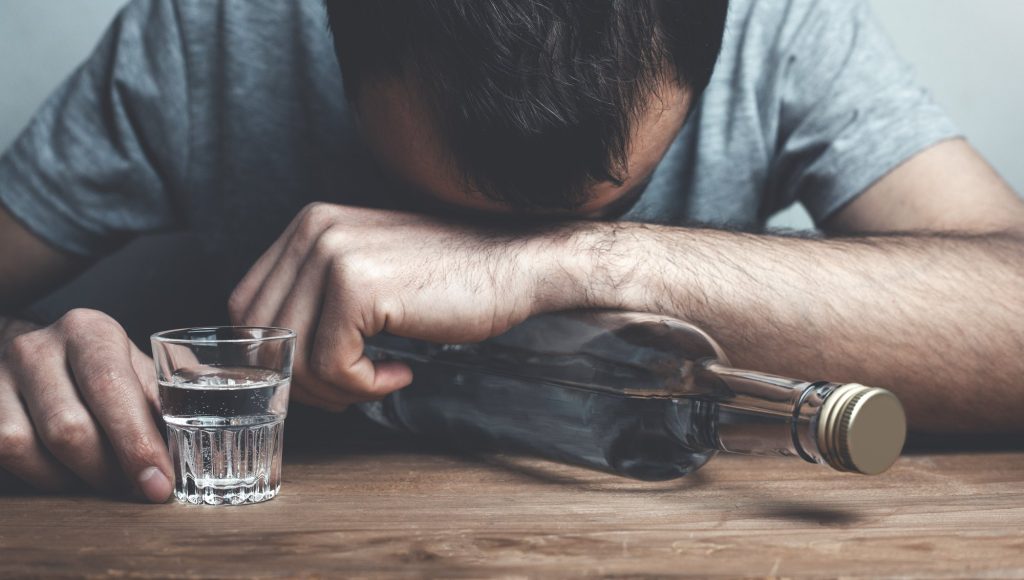
Alcohol withdrawal is what you experience when you reduce or stop alcohol intake after a period of heavy, chronic drinking. While it begins within a few hours of the last drink, the alcohol withdrawal symptoms and timeline can vary among different people – for some it can be less severe, and for others it can be more severe and even turn life-threatening if left untreated. In this post, we will explore what you can expect during alcohol withdrawal, the risks, and the treatment options.
What Is Alcohol Withdrawal?
When you use alcohol heavily and for an extended period of time, your brain and body get used to the presence of alcohol. It is a central nervous system depressant that slows down your brain functioning, requiring it to work harder to keep your body up and going. So, when you suddenly reduce or stop drinking, the brain cannot adapt as quickly to its absence. It goes into overdrive, leading to unpleasant and severe symptoms known as alcohol withdrawal symptoms.
Typically, alcohol takes 12 hours to leave the body. So, alcohol withdrawal peaks within 24-72 hours after the last drink and can continue for several weeks. What typically begins as discomfort, anxiety, and irritability, alcohol withdrawal risks can even spiral into life-threatening seizures, delirium tremens, and other conditions when left untreated.
Common Symptoms of Alcohol Withdrawal
Alcohol withdrawal symptoms and timeline vary among different persons; it can be less severe or more severe depending on the length and severity of your alcohol use, as well as other personal factors. However, the commonly recognizable symptoms of alcohol withdrawal are as follows:
- Irritability
- Anxiety
- Mood swings
- Depressed mood
- Vomiting
- Diarrhea
- Sweating bouts
- Racing heartbeat
- Tremors
- Hallucinations
- Seizures
- Delirium tremens – characterized by disorientation, fever, seizures, and hallucinations.
Let's Navigate Your Sobriety Journey Together
Reach Out to Us Now for Immediate Assistance!
Alcohol Withdrawal Timeline
The duration and severity of alcohol withdrawal, as we told you, can vary. But typically, physical symptoms peak within 24-72 hours and can last for up to 7 or 10 days. Sometimes, even as long as 15 days. Alcohol withdrawal symptoms after this period are more psychological than physiological and can linger on for several months as well.
The typical alcohol withdrawal symptoms and timeline can be divided into four stages, and will look something like this:
Stage I: 6-12 hours after the last drink
In the first 6-12 hours, you may experience anxiety, appetite loss, sleeplessness, headache and stomach ache, and vomiting.
Stage II: 12-48 hours after the last drink
Within 12-48 hours after the last drink, alcohol withdrawal can become more severe and escalate to hallucinations and seizures.
Stage III: 48-72 hours after the last drink
In 48-72 hours, you can experience confusion, fever, sweating, high blood pressure, arrhythmic heartbeat, high blood pressure, and even delirium tremens. If left untreated, these symptoms can even turn life-threatening.
Stage IV: 72+ hours after the last drink
Alcohol withdrawal symptoms improve after 72 hours and begin to gradually subside over the next 4-7 days.
Post-Acute Withdrawal Syndrome (PAWS)
When speaking about alcohol withdrawal symptoms and timeline, we cannot overlook PAWS. PAWS refers to post-acute withdrawal symptoms like cravings, irritability, restlessness, sleeplessness, tiredness, and depression. This is severe during the first six months of sobriety and gradually diminishes over the years.
Dangers of Detoxing Without Medical Support
One of the crucial aspects of treating alcohol withdrawal is the alcohol detox process, albeit when it is done under medically supervised conditions. Detox is when alcohol levels are gradually tapered off from your body under safe and controlled clinical conditions so as to minimize and manage your cravings and withdrawal symptoms.
While detox is not prescribed for everyone – it depends on the severity of your symptoms. Typically, medically supervised detox will involve medical monitoring and medication management involving beta-blockers, benzodiazepines, and anticonvulsants. You will also be offered emotional support in the form of supportive counseling and psychotherapy, and your team will also help you transition after detox to an independent life. This can involve ongoing counseling/therapy, medication management, relapse prevention, social support, and sober living.
However, the danger of quitting alcohol comes when you do it without medical support. Recovery from alcohol is not a linear journey, and there will be ups and downs in this journey. When you quit cold turkey (stop alcohol intake suddenly), your body will not be able to adjust to it. The resulting alcohol withdrawal symptoms can be both discomforting and life-threatening, which can either lead you on the path to a quick relapse or even turn fatal. So, detoxing at home without medical support is not suggested.
Preparing for Detox: What You Should Know
Detox is often the first step to alcohol use recovery. So, if you have decided to embark on this journey – you need to know what comes with detox. If you are preparing to begin detox, here are the key things to consider:
- Consult with your primary healthcare provider to discuss detox options.
- Inform your loved ones so they can provide support.
- Choose a detox center that offers 24/7 medical supervision, psychological support, and medication management to ensure your safety.
Detox is not going to be a smooth journey – so you will have to be prepared for physical and emotional changes like anxiety, sleeplessness, and body tremors, to even hallucinations and seizures. However, 24*7 care will make a world of difference in helping you stay safe and committed to your recovery goals.
Reach Out When You Experience Alcohol Withdrawal
If you or a loved one is experiencing alcohol withdrawal symptoms and wants to detox, it is crucial to reach out and seek medical support. These symptoms become severe to the point that they become life-threatening, so whenever you are experiencing alcohol withdrawal symptoms, you need to reach out.
The best way to address alcohol use is to begin detoxing by consulting your primary healthcare provider, who will connect you with licensed and trained addiction medicine specialists and mental health professionals.
Sobriety can be a difficult path to begin with, so you need integrated care options with you. Please do not hesitate to reach out to Sober Living West, where we answer all your sobriety-related queries and help you plan ahead as you transition from detox to an independent daily life.
Frequently Asked Questions
During alcohol withdrawal, your body reacts to the absence of alcohol with symptoms like anxiety, tremors, sweating, nausea, and in severe cases, seizures or hallucinations.
Symptoms usually begin within 6 to 12 hours after your last drink.
Common alcohol withdrawal symptoms include anxiety, sleeplessness, vomiting, sweating, and mood swings.
Yes, in severe cases, alcohol withdrawal can lead to seizures or delirium tremens.
Yes, detox programs use medical care and medications to safely ease alcohol withdrawal symptoms and reduce risks.